 Eccountability — Last updated
Entrepreneurs tend to fall into a handful of personality types. The two frameworks we use in our groups are DiSC (four types: Dominant, Inspiring, Supportive, Cautious) and the Enneagram (nine types, from the Reformer to the Peacemaker). Knowing which one sounds most like you shows where you work well and where you need a peer to push back.
The better you know yourself the more likely you are to find your purpose, achieve your goals and enjoy your life. You will also work better with other people because you will have empathy for the differences. Yet the vast majority of the population quickly settle for a life less ordinary, doing things they don’t like and end up in a trap made by them, not anyone else.
One of the key similarities in ALL entrepreneurs is a hunger that burns for more. More experience, more ideas. More life.
Alongside that similarity, there is a myriad of different personality traits. Which do you most identify with?
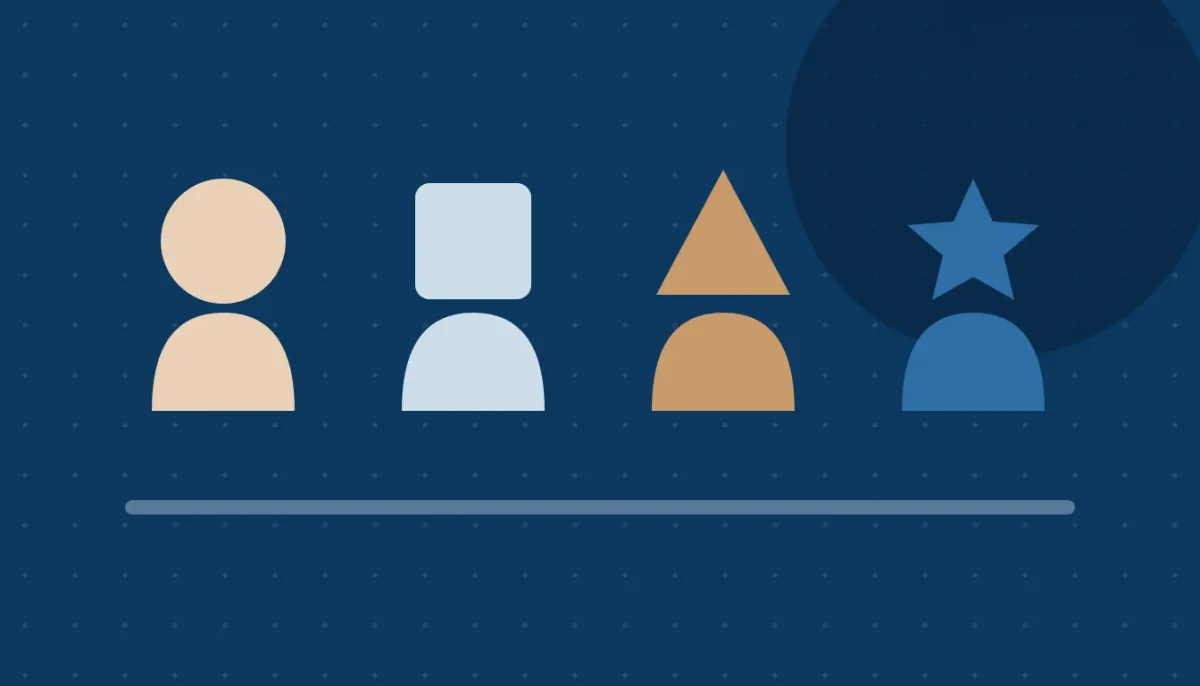
Key entrepreneur personality types: the 4 DiSC profiles
The 4 DISC profile types are:
- Dominant
- Inspiring
- Supportive
- Cautious
Each participant in our masterminds completes a DISC profile. It’s impossible to completely match 8 strangers into a virtual Mastermind but knowing the DiSC profile does give us an extra piece of the jigsaw and allows us to create some balance within each pod.
In most mastermind groups I’ve run you will find one of these 4 types (based on Enneagram):
1. Dominant (Achiever type)
They are efficient, but not effective. They work alone.
They enjoy the solitude and peace and quiet. Process and results driven. Used to working autonomously. Confident in all their decisions.
Accountability requirements: They need spreadsheets, goal setting, shaming/guilting (it works on only this type), bets, encouragement in celebrating any wins, help with longer-term planning, setting a vision. They need help with strategy, tactics, tricks, knowledge. Sometimes ethics – they tend to do whatever is necessary and can cross the ethical line (spamming, using shady tactics, etc). They don’t need a coach, they need someone who is more of an advisor/mentor.
2. Cautious (Investigator type)
They are effective, but not efficient. They also tend to work alone.
They over-research to the point where they know everything there is to know about a subject (subject matter experts).
Accountability requirements: They need help removing mindset blocks (perfectionism, ethical dilemmas, fear of failure is a big one) by focusing on short-term goals, building key habits and creating systems to follow. Break it down step by step and don’t let them think about step 7 until they’ve completed step 6. They need a coach, not a mentor/advisor.
3. Supportive type
They are all about the community and building relationships.
Accountability requirements: translate their goals into “relationships”.
Things that help a lot: group goals, pairing them together to help each other, letting them talk and advise each other, celebrating each other’s wins, and removing mindset blocks (fear of success, fear of isolation, fear of criticism). Have them follow the steps, otherwise they are all over the place.
They need a group leader (sometimes that’s you, sometimes it’s one of them, and you’re just a trusted advisor).
4. Inspiring type
They are all about the big ideas and community.
Accountability requirements: translate their goals into “usable visions” others can follow.
Pair them with the Cautious type, let them show not tell, lead not follow, and remove too many projects, fear of missing out (FOMO) and fear of rejection. Have them lead, otherwise they get bored easily.
They are natural group leaders (but may initially get overawed by the Dominant profile and defer). They prefer to lead by example rather than by title.
How to use personality types in your mastermind group
Now you know more about the different types, how does this help you or your Mastermind tribe?
Every group has many types. I’m talking about how the group “feels” and responds. It’s best if you adapt to each individual, but that’s much harder and more time-consuming.
Obviously, that’s just one of many factors. Here is how it plays out in practice:
- Groups with enthusiastic, chatty people should encourage the quiet ones to open up.
- Groups with an Investigator type should find them an accountability buddy to keep them focused on tasks and goals rather than obsessing over the details.
- Groups with an Achiever type should encourage them to become more social and open to the benefits of collaboration.
To know yourself is to know your worth, and the key to your potential. There is no problem until a question is asked.
If you don’t know your personality traits you might not fully understand your strengths (you probably do), but more importantly your weaknesses. Let’s call them improvement projects.
The reason all this matters: each type needs a different kind of accountability. A Dominant type may need an advisor who will also challenge them on ethics. A Cautious type does better with a coach and small, ordered steps. Treat everyone the same and one of them will quietly drift.
The Enneagram: 9 personality types
The Enneagram has more categories (9 in total). If you feel you don’t fit any of the DiSC profiles because they are too narrow, review these nine and see if one describes you more accurately.
1. The Reformer
The Rational, Idealistic Type: Principled, Purposeful, Self-Controlled, and Perfectionistic
2. The Helper
The Caring, Interpersonal Type: Demonstrative, Generous, People-Pleasing, and Possessive
3. The Achiever
The Success-Oriented, Pragmatic Type: Adaptive, Excelling, Driven, and Image-Conscious
4. The Individualist
The Sensitive, Withdrawn Type: Expressive, Dramatic, Self-Absorbed, and Temperamental
5. The Investigator
The Intense, Cerebral Type: Perceptive, Innovative, Secretive, and Isolated
6. The Loyalist
The Committed, Security-Oriented Type: Engaging, Responsible, Anxious, and Suspicious
7. The Enthusiast
The Busy, Fun-Loving Type: Spontaneous, Versatile, Distractible, and Scattered
8. The Challenger
The Powerful, Dominating Type: Self-Confident, Decisive, Willful, and Confrontational
9. The Peacemaker
The Easygoing, Self-Effacing Type: Receptive, Reassuring, Agreeable, and Complacent
I can’t be labelled
Some people can’t and don’t want to be put in a box. Many of us are a mixture of several categories on any given day or even hour. Take the labels with a pinch of scepticism, but understand that many clichés and generalisations are born out of a large amount of truth. Personality profiles are a conversation starter, not a verdict, and they are no substitute for professional advice.
If you want to understand more about yourself, try our epic blog on Self-reflection. To see which skills make a group work, read The 7 Key Mastermind Skills.