 Eccountability — Last updated
The first person you sell to is yourself. Until you believe you have something worth buying, and that you can close the deal, every pitch to a customer will wobble. The second sale, the one to the customer who needs what you offer, gets much easier once the first is done.
The short version
- First sale: you, on the value of what you offer and your ability to close.
- The obstacle is the gap between what you say you will do and what you do.
- Selling your own work feels more personal than selling someone else’s, so rejection stings more.
- Second sale: the customer who needs what you sell.
The First Sale
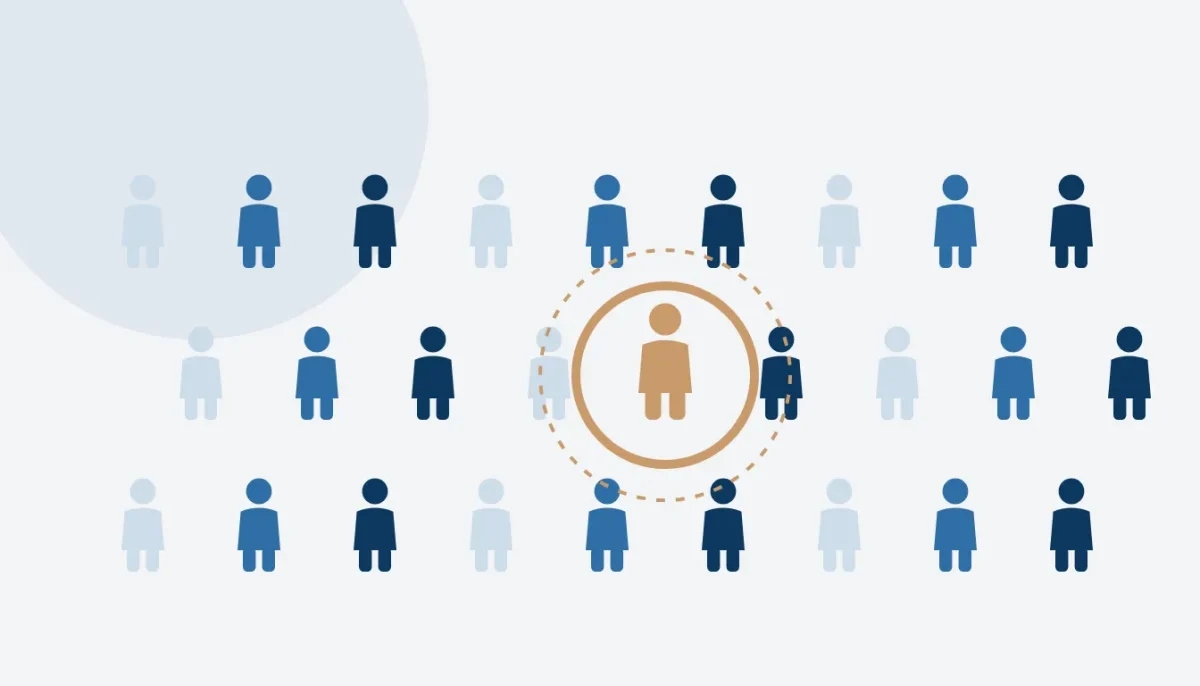
When you work in sales or any business for that matter have you ever stopped to think about the first sale you made? You cannot underestimate the power of the first sale. So why is the first sale so important? The reason it’s so important is that the first sale is not to a customer. I believe that first sale is always to yourself. The idea that we have something valuable to offer. That we have the ability to close a deal. That we can forge a career in sales needs to be validated internally if we are to have any chance of success. We have to believe in ourselves as the first hurdle to overcome.
The gap between your narrative self and your experiencing self
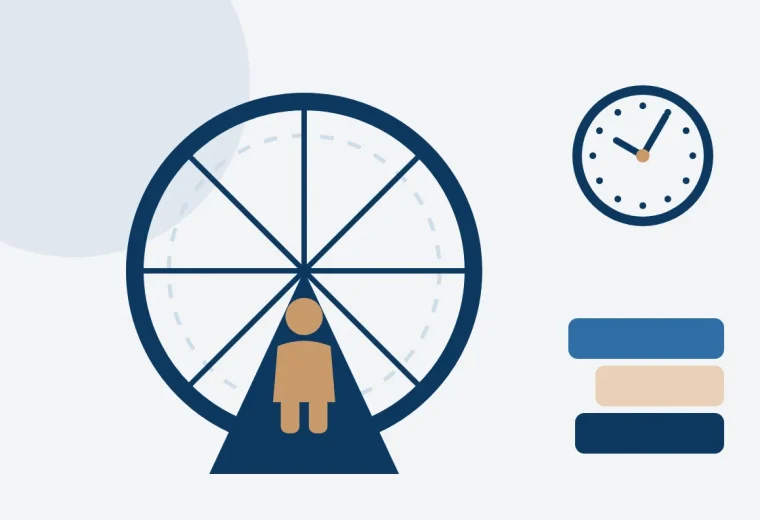
There is always a gap between our narrative self and our experiencing self. The gap between what we think and what we do. The experiencing self needs to catch up with the narrative self in order for us to believe and then execute. What I mean by this is that we constantly tell ourselves a story (narrative self). We’ve all met someone that tells everyone “I’ll going to launch a sales consulting teaching framework. I’ve got this vast experience and I’ll package this up into a course for others to follow”. Then real life kicks in (experiencing self). Because they’ve never actually experienced or done this before the doubts quickly surface. They begin to question their experience, knowledge, and ability to execute the idea. So instead, they distract themselves with phone calls, urgent emails, and other rituals. Staying comfortable. As Lao Tzu eloquently puts it – “confront the difficult while it’s still easy”. Unfortunately, there will ALWAYS be a gap between these two selves, that’s human nature. Only by recognizing this gap we can work on closing it.
Writing down what you actually did each week, next to what you said you would do, is a simple way to see the gap. A habit of self-reflection makes that review routine rather than a one-off.
A weekly check you can run in ten minutes
- Write down what you said you would do this week.
- Write down what you actually did, next to it.
- Pick one small, measurable action for next week and share it with a peer.
Different Types of Sales
There is a distinct difference between selling someone else’s product or services and selling our own. In theory, they are the same. A sale is a sale is a sale. But going back to the narrative and experiencing self a mental shift is required. Between selling someone else’s product (employee) and selling our own services (business owner). We are often unable to make the subtle yet significant switch between the two.
Why rejection feels personal when you sell your own work
The idea that it’s someone else’s service and so being rejected is not as bad as when we fail to close a sale for ourselves. Often we attach too much emotional significance to ourselves (and our worth). Turning every sale into personal justification. Seeing every rejection as a reflection of our lack of expertise or knowledge. We take it too personally. We find it much harder to relate to the famous quote by Otto Berman – “It’s not personal its just business.” Not to us!
Taking the easy route
So instead we take the easy route. Many find reasons why they can’t do the things they know to be vital to success because they seem so hard. A few find a way to do them because they know that gives them both success and a competitive advantage. If routine admin keeps pulling you away from selling, you could hire a virtual assistant in the Philippines to take some of it off your plate.
Knowing your business WHY helps here, because a rejection stings less when you are clear on what you are selling and why it matters.
Soft Skills
Whilst we spend much of our time learning skills and consuming vast amounts of new information. We seldom take the time to work on our soft skills. The growth vs fixed mindset. The ability to see past small setbacks. To stop and recognize the inner voices in our head holding us back. The ones designed by evolution to keep us within our comfort zone.
Maxwell Maltz and Psycho-cybernetics
In 1960 a plastic surgeon called Maxwell Maltz became the pioneer of the “self-image”. The study of how you can change how you think about yourself. Every self-help guru, mindset coach, and motivational speaker base their work on his seminal book Psycho-cybernetics. The case studies on salespeople alone make it a must read for any sales professional. The ability to find a way past your thinking and allowing you the freedom to sell to yourself and to others.
The second sale
And the second sale? Oh yeah. That’s to the customer who needs what you selling.
If you are still deciding whether to take that step, our guide on how to start your own business covers the first moves. And a small group of peers who ask what you did this week is one of the quickest ways to narrow the gap between saying and doing.
The gap between what you say you’ll do and what you actually do rarely closes through big resolutions. Pick one small, measurable action each week and do it before the distractions start. Then report back to someone, a peer or a group. That accountability is what makes the habit last.